
DEI
Septeni Group and DEI (Diversity, Equity & Inclusion)
At the Septeni Group, we have adopted a DEI policy that “respects all human rights, acknowledges diversity, and realizes a way of working where each individual's strengths are demonstrated.” We promote and support diverse work styles, based on our belief that when each of our diverse employees contributes to business performance through autonomous and valuable work, it leads to the sustainable development of the Group.
Based on this principle, we are fostering an environment free from discrimination and harassment on the basis of gender, age, nationality, race, ethnicity, religion, thought, creed, social status, disability, sexual orientation, gender identity, or gender expression. We are committed to creating a workplace where every employee can fully leverage their individual strengths.
Furthermore, the concept of Septeni's logo is “Resilient, Caring, Exciting.” The “Caring” represents the acknowledgment of diversity. As represented in the Group's symbol, the Septeni Group recognizes DEI as a very important theme and is actively working on it.

Support for the Active Participation of Diverse Employees
-
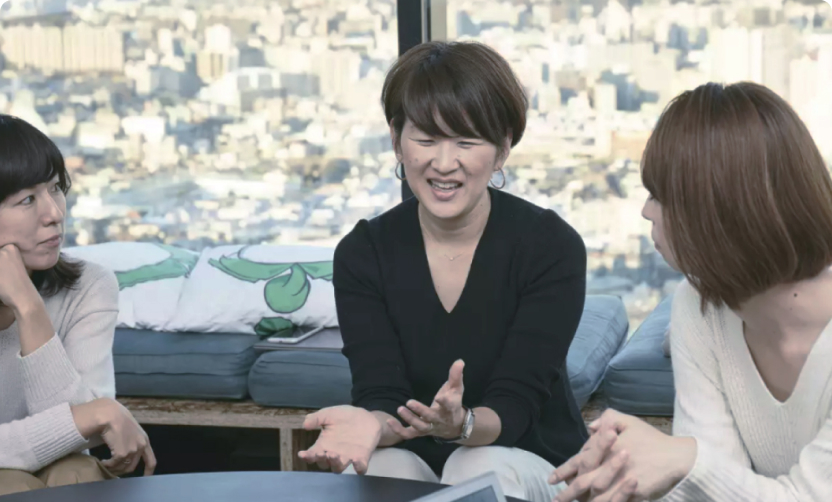
Initiatives to Achieve Gender Equality
We promote initiatives towards gender equality, centered around the Gender Equality Subcommittee of the Sustainability Committee.
-
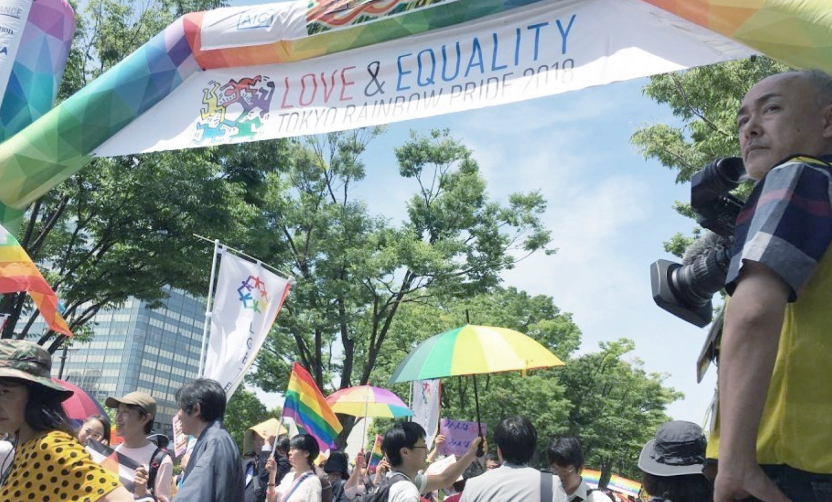
LGBT Initiatives
We have established the cross-group LGBT & Ally network “SEPALLY RAINBOW” and are promoting its initiatives.
-
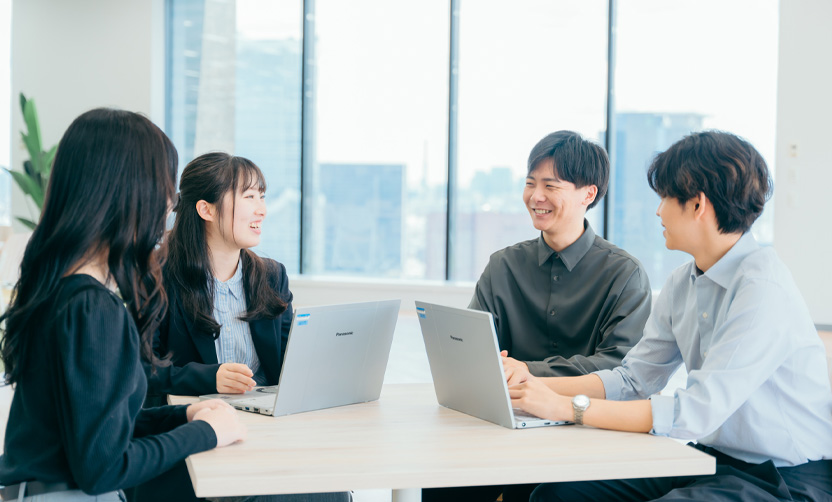
Promoting Age Diversity
In order to respond to change, our group is promoting thecreation of an organization where members of diversegenerations can thrive.
Awareness Activities
Diversity Month
To promote individual ownership of DEI, we have been holding an annual “Diversity Month” since 2021.
We provide opportunities to explore and reflect on DEI from various perspectives through sessions such as "Fertility Training for All," "No Offence Intended: Short Dramas for Collective Reflection," and "Septeni Group's DNA and Future Prospects: DEI as the Key to the Next Stage."
Although participation in these events was voluntary, the 2025 initiative saw strong engagement:
• Online events: Approximately 500 cumulative participants.
• Short dramas (3 episodes): Over 2,000 total views. (As of January 2026; combined total of internal and external views)
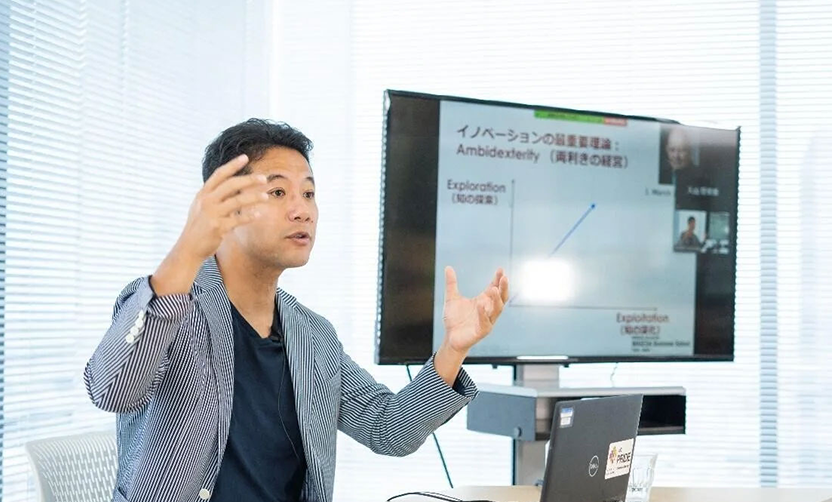
Awards for DEI Initiatives
With the aim of spreading awareness of the significance and benefits of DEI promotion within the Group and demonstrating our active commitment to DEI both internally and externally, we have held the Group-wide "Diversity Award" since 2020.
From FY2025, to place greater importance on this initiative, the award was integrated into the annual Group MVP Awards.
We present these awards at the Group Kick-Off at the beginning of each fiscal year, serving as a key platform to recognize and praise "initiatives aimed at creating an environment where each individual can play an active role and generate innovation and results."
Raising Awareness of Unconscious Bias
We are committed to raising awareness of unconscious biases to prevent overlooking individual characteristics due to stereotypes, hindering each person's success, and producing socially undesirable outputs in creations such as advertisements.
For executive officers and managers, we conduct mandatory training, and for employees, we include questions about unconscious biases in the compliance tests taken every two months.
We also conduct an annual survey on the understanding of unconscious biases and share the results within the Group while utilizing them to improve our initiatives.
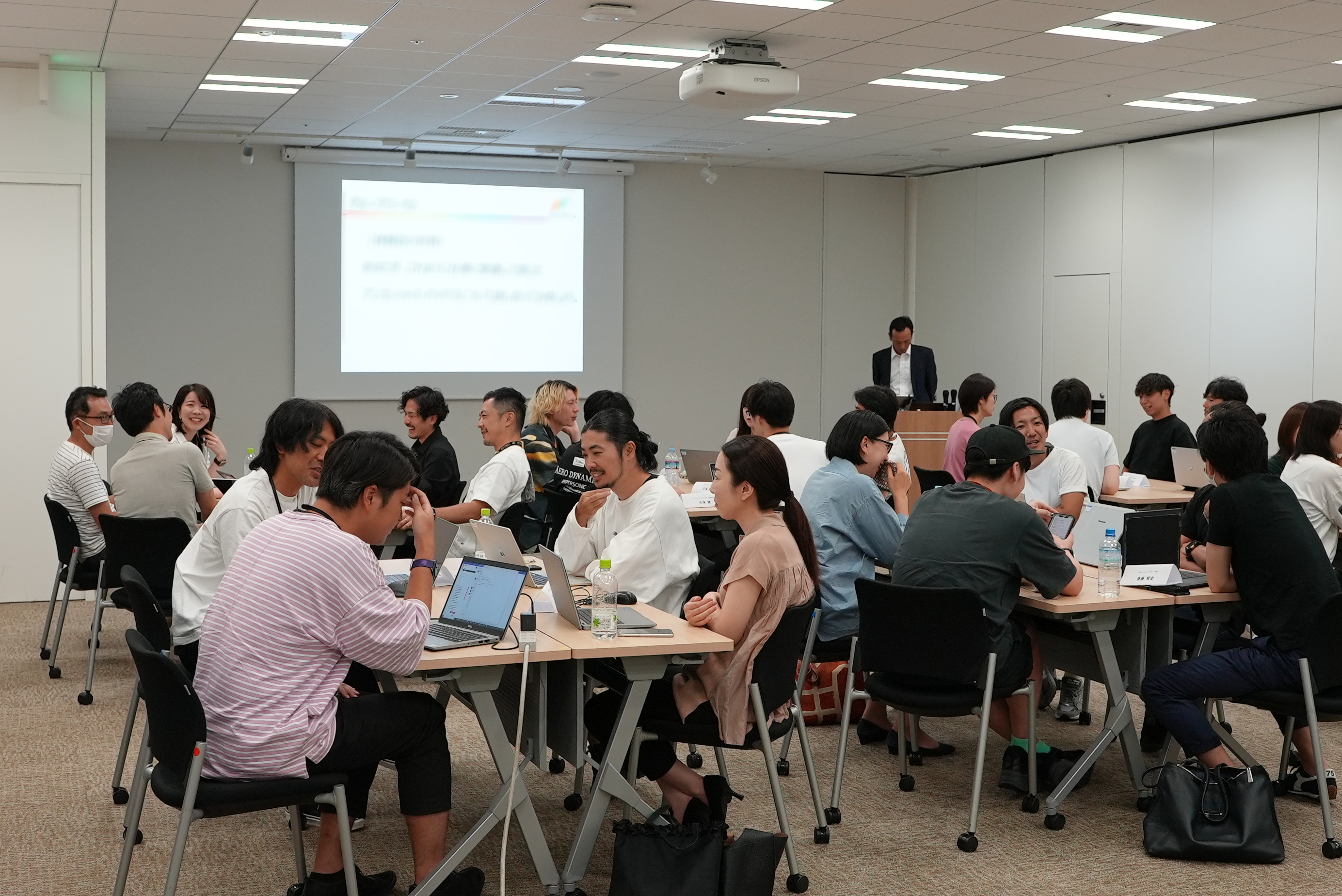

Production and Release of Short Dramas Themed on Unconscious Bias
To coincide with "Human Rights Day" on December 10, we produced and released short dramas themed on unconscious bias.
These works aim to provide an opportunity to recognize that "unintentional" words and actions lurking in our daily lives and the workplace can lead to undesirable communication and judgments, encouraging everyone to take personal ownership of these issues.
We have made these videos available to the general public so that they can be utilized not only for internal awareness-raising but also widely for DEI promotion activities throughout society.
■ Case 1: Document Preparation
https://youtube.com/shorts/TtM4UikiwJc
■ Case 2: In the Meeting
https://youtube.com/shorts/v5w9C4pnF1Y
■ Case 3: Over Lunch
https://youtube.com/shorts/l9QWgDTiIMA

Creating an Environment that Embraces Diversity
Support for Work-Life Balance
We have established various support systems to assist our employees in their diverse ways of working.
-

Subsidy System for Babysitter Use
To support employees with childcare, we have established a subsidy system for babysitter use. If our employees use the babysitter service contracted by the Company, we will bear 70% of the cost.
*Only for major companies
-
hug-kumi Committee*
The hug-kumi Committee is a cross-departmental project launched in 2010 with our representative as the chairman, to improve women's working styles, childcare support, and work-life balance for all employees. We have introduced measures such as a subsidy system for babysitter use, staggered commuting during pregnancy, and gynecological examinations.
*Only for major companies.
-
Support through Roundtable Discussions and Events
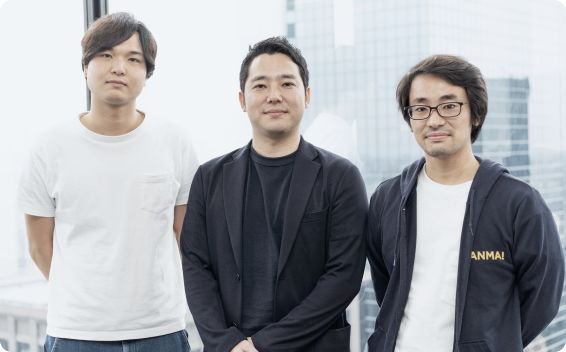
The hug-kumi Committee and those in charge of sustainability plan and run events related to work-life balance support.
Various themes are set up so that participants can learn about various working styles and ideas, and get hints for their own working styles and balancing work and family life.
Measures Against Discrimination and Harassment
At the Septeni Group, we prohibit discrimination and harassment, including sexual harassment, based on gender, age, nationality, race, ethnicity, religion, thoughts, beliefs, social status, disabilities, sexual orientation, gender identity, gender expression, among other factors. We continuously promote activities to create an environment that prevents these issues, allowing each individual's strengths to be fully demonstrated.
-

Group-wide Learning
We conduct e-learning every two months for the purpose of preventing and mitigating harassment and considering human rights in advertising expressions, etc.
-
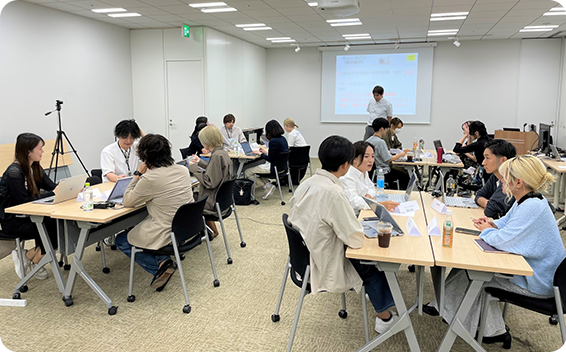
Harassment Prevention Training for Managers
We conduct harassment prevention training, which is mandatory for managers, with the aim of preventing and mitigating harassment. The training content is practical, incorporating many works, case studies, and appropriate responses when harassment occurs.
-

Whistleblowing System
All individuals who belong to the Septeni Group and who engage in its operations can report or consult using the hotline. An external lawyer serves as the direct contact point for reports or consultations, and the officers and employees who reported or consulted are protected by the hotline regulation.
Work Style Reform
We are promoting activities with the vision of “creating a state where everyone is working autonomously and actively in valuable jobs regardless of time and place.”
-

Work Style Reform Committee
We have formed a cross-group project 'Work Style Reform Committee' chaired by our representative. The committee members, selected from each Group company, have carried out system design, introduction, and enlightenment activities.
-

Evaluation of 'Balancing Results and Time Reduction'
We have newly established items for managers to provide appropriate guidance to members on 'balancing results and time reduction', and for employees to perform appropriate tasks with awareness of 'balancing results and time reduction,' and reflect them in job evaluations.
*Only for major companies
-

Flextime System
As the first phase of work style reform, we have introduced a flextime system to the Group companies (excluding some companies). By relaxing the restrictions on working hours, we are creating an environment where diverse work styles can be chosen and greater results can be achieved.
-
Side Job System
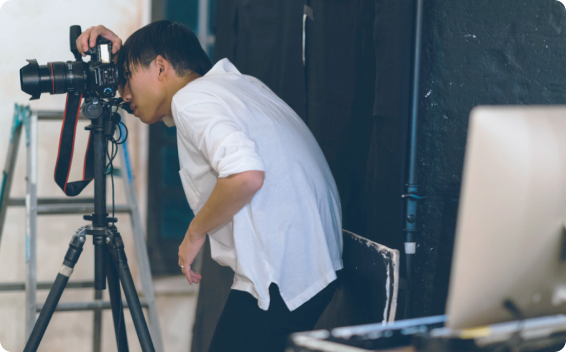
We have established a side job system with the aim of further improving the value of human resources by adapting to the diversity of human resources and work styles, and encouraging individual skill improvement through activities outside of work.
Work Style Reform Initiatives
- 2011
- Started efforts to balance results and time reduction at the business companies
- 2015
- Established the cross-group 'Work Style Reform Committee'
- 2016
- Introduced the flextime system
- 2017
- Prepared for the introduction of a work-from-home system (trial introduction)
- 2020
- All employees have transitioned to working from home as a principle to prevent the spread of COCID-19
- 2023
- Formally introduced the work-from-home system. Also, renovated the head office, promoting a hybrid work style of both coming to the office and working from home.
External Recognition
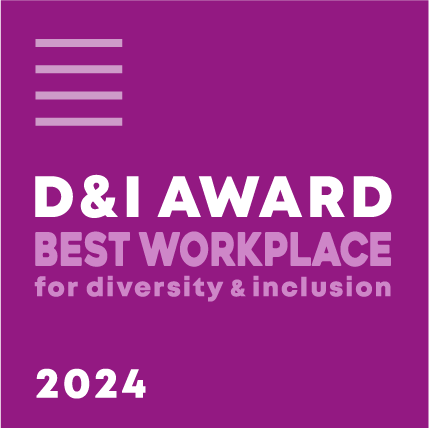
D&I Award
- 2025
- Best Workplace for Diversity & Inclusion
- 2024
- Best Workplace for Diversity & Inclusion
- 2023
- Best Workplace for Diversity & Inclusion
- 2022
- Best Workplace for Diversity & Inclusion
- 2021
- Best Workplace for Diversity & Inclusion